

How College Campuses Can Improve HIV Detection Among LGBTQ+ Students

How College Campuses Can Improve HIV Detection Among LGBTQ+ Students
Human immunodeficiency virus (HIV) has been a serious and widespread concern among the lesbian, gay, bisexual, transgender, and queer (LGBTQ+) community since the early 1980s. Much research and work have been done in the subsequent decades to prevent and treat this disease, but it continues to spread to this day.
Young LGBTQ+ adults are among the most vulnerable to this devastating disease. Men who have sex with men (MSM), including gay and bisexual men, are the most likely to contract HIV. Between 2018 and 2022, gay and bisexual men accounted for over 70% of new HIV infections in the U.S. Further, almost 20% of all new HIV diagnoses were in people between ages 13 and 24, with 80% of those diagnoses impacting people aged 20 to 24.
LGBTQ+ college students are at a prime age — and in a prime location — to have a higher-than-average risk of transmitting and contracting HIV. That means HIV testing and detection in LGBTQ+ students needs to be a top priority for college campuses. Here’s what health providers need to know about this issue, as well as steps they can take to address it.
Disparities in HIV Testing Rates on College Campuses
On college campuses, there are disparities in HIV testing rates between LGBTQ+ students and the general population. Evidence from a 2023 University of Michigan study suggests that LGBTQ+ young adults are more likely to test for HIV than their cisgender, heterosexual counterparts. Despite generally higher testing rates among LGBTQ+ individuals, many in this group are at a higher risk of being exposed to and contracting HIV. The Centers for Disease Control recommends that MSM get tested annually, but one JMIR 2022 study found that 60% of participants failed to meet this recommendation.
There are also discrepancies in testing between different groups within the larger LGBTQ+ population. The 2023 University of Michigan study notes that bisexual men are far less likely than gay men to test themselves for HIV. Further, the 2022 JMIR study had similar findings, indicating that cisgender gay men are the most likely group to test themselves for HIV, particularly compared to bisexual men and transgender individuals.
Access to HIV testing needs to be consistently improved for all LGBTQ+ students. Current institutional health models often fail to account for diverse sexual orientations and gender identities. Campus health providers may not consider the unique needs of students with distinct identities, failing to provide necessary education about how HIV affects different populations within the LGBTQ+ community. This could result in further alienation and stigma towards a student population that already struggles with those issues when accessing healthcare, and especially HIV testing.
How Stigma and Confidentiality Concerns Will Continue to Limit Detection
Despite overall higher testing rates than cisgender, heterosexual students, LGBTQ+ students face significant barriers when attempting to access HIV-related care. Myriad issues related to stigma, trust, and confidentiality can influence individuals’ decisions to get tested for HIV, such as:
- Fear of outing: Not all LGBTQ+ students have disclosed their sexual orientation and/or gender identity to others. They may be afraid that loved ones or fellow students will learn this information before they’re ready, or simply afraid to disclose it to healthcare providers.
- Stigma: HIV remains a highly stigmatized health condition. LGBTQ+ students may worry about judgment from healthcare providers and peers when getting tested, as well as further judgment from friends, family, and future sexual partners if the test is positive.
- Discrimination: Discrimination due to homophobia and transphobia, as well as their potential HIV status, is another concern. For LGBTQ+ individuals, there’s no guarantee they won’t experience harassment, judgment, or discrimination from healthcare providers when attempting to access care, or from others in their community after they do so. Some students may fear other forms of discrimination as well, such as racism, depending on their background and identity.
These barriers can all discourage people from getting tested for HIV — even if they believe or acknowledge they should do so — and therefore prevent detection of this disease. Trust and confidentiality are major factors in students’ decision-making when it comes to healthcare. They must serve as the foundation of efforts to improve HIV testing access for LGBTQ+ students.
Methods to Improve HIV Detection
Though the methods for HIV testing have increased significantly over the last several decades, there’s still much work to be done to improve HIV detection on college campuses. There is a diverse array of strategies that campus providers can use to make HIV testing more accessible and available to a greater number of LGBTQ+ students:
Expanding STD and STI Screening Tools
A medical link exists between HIV and other sexually transmitted infections (STIs) or sexually transmitted diseases (STDs), such as chlamydia, gonorrhea, syphilis, or hepatitis. Essentially, if someone has an STI, it’s more likely for them to both transmit and contract HIV. About 20% of individuals newly diagnosed with HIV have also received other STI diagnoses. In addition, having HIV alongside another STI increases the likelihood of spreading HIV.
Expanding screening tools to include a larger variety of infections can help a greater number of people detect HIV early, in addition to other STIs/STDs. Bundled STI/STD tests could include HIV, too, allowing students to undergo routine, comprehensive screening for their sexual health. Not only can this make HIV testing logistically easier, but it can also reduce some of the stigma associated with HIV-specific testing. This may encourage more LGBTQ+ students to get the testing they need more frequently.
Improved testing access has been beneficial for increasing early detection of other diseases, including ovarian cancer and other harmful conditions. Early detection allows for earlier treatment, stopping diseases from progressing to a point where they’re more difficult to manage.
Normalizing HIV Testing
It’s important to normalize HIV testing by making it similar to other standard preventative health checks, such as getting blood drawn at an annual physical. Doing so can go a long way in reducing the stigma surrounding it and increasing participation from LGBTQ+ students. If these tests are a routine part of receiving healthcare, students may not feel as afraid or concerned about testing when the time comes. This can also make it easier for students to get HIV testing done at future appointments, whether on- or off-campus.
Further, campuses should provide opt-out HIV testing. Rather than offering the test as an option to students, providers should instead inform students that this testing is a part of their overall care at that visit. If students don’t want testing, they must actively decline.
Opt-out testing can help more people detect an HIV infection earlier. This is especially valuable for LGBTQ+ students who may not be at a high risk of exposure to HIV — such as women who have sex with women — but who still are at risk nonetheless. That way, if students do happen to get HIV, detection and treatment can both occur earlier than they otherwise might.
Training Campus Health Providers in LGBTQ+- Affirming Care
In addition to decreasing HIV stigma, campus health providers must be equipped to give LGBTQ+-affirming care to students. Fear of judgment, harassment, and discrimination are still major barriers to LGBTQ+ students getting the care they need. Beyond this, LGBTQ+ students have unique health needs and concerns that their cisgender, heterosexual peers do not. These challenges, in particular, must be addressed, and done so with care.
Cultural competency training is a crucial step toward improving LGBTQ+ students' comfort and trust when accessing healthcare. Myriad practices can be employed, from adjusting overall clinic policies to shifting how individual providers give care in intimate patient settings. Ways to provide LGBTQ+-inclusive care include:
- Using inclusive language, such as not assuming the patient has an opposite-sex partner.
- Affirming students’ identities, such as using the pronouns requested by a transgender student.
- Communicating that the clinic is an LGBTQ+-friendly space, such as in conversations with patients, hanging posters in the clinic, or having staff wear pride flag pins.
- Learning about the unique challenges LGBTQ+ students face due to their sexual orientation and/or gender identity.
- Listening to what patients have to say and asking open-ended questions, rather than making assumptions about their needs, histories, or identities.
Making these kinds of shifts takes time, but they’re effective ways to offer reassurance to LGBTQ+ students and ensure their comfort when receiving care for sensitive issues, including HIV testing.
Utilizing Mobile, Pop-up, and After-Hours Testing Clinics
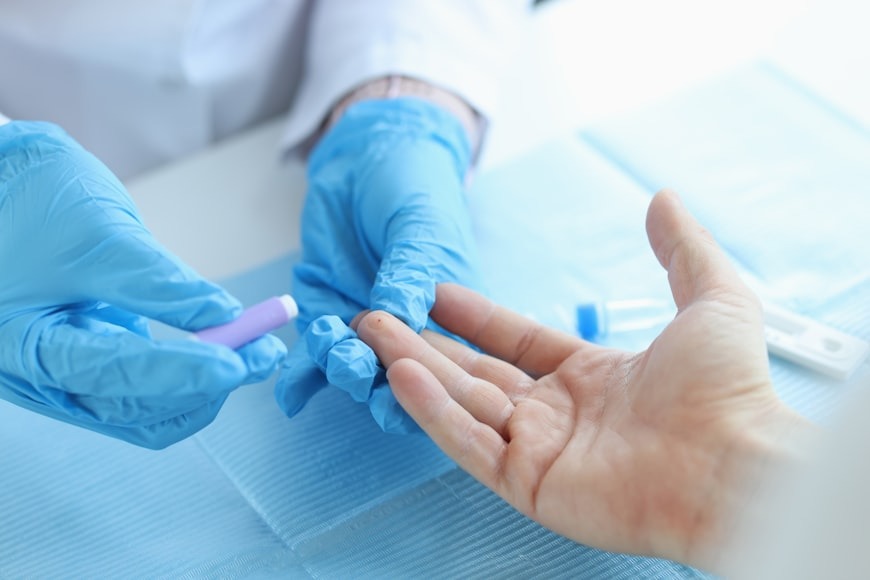
When students have more chances to get tested for HIV, there’s a higher likelihood they’ll take advantage of the opportunity. That’s why it’s helpful to make testing more accessible to students through mobile clinics and pop-up testing events. Additionally, offering after-hours testing is also beneficial, whether at a pop-up event or a campus health center, as it may be difficult for some students to make time during the day for testing.
Having more locations and expanded hours for testing helps support LGBTQ+ students who want to avoid traditional clinics. For instance, some students may prefer to be tested early in the morning or late in the evening to reduce the risk of being recognized or outed. Other students might prefer to visit a specialized sexual health clinic off campus or a local HIV testing pop-up; these locations may feel like safer spaces than a general campus health center.
Research collected as far back as 2009 shows how beneficial it can be to conduct HIV testing in non-clinical settings, especially at LGBTQ+-specific events, such as a pride parade. Partnering with campus pride organizations or local queer community groups can be an effective way to increase students’ awareness of and participation in testing. These groups can help sponsor and host testing events, either in a pop-up setting or by having special events or hours at established clinics. At the very least, they can help spread the word to LGBTQ+ students and help more people feel safe and supported when getting tested.
Educating Students on HIV Prevention
Another key component of improving HIV detection on campuses is educating students on HIV prevention. HIV remains a highly stigmatized condition, with much misinformation surrounding it and how it’s transmitted. Education on terminology, transmission, and testing frequency ensures LGBTQ+ students are well-informed and able to make health decisions based on facts rather than fiction.
Education specific to LGBTQ+ students can encompass:
- Common HIV-related terminology, such as the difference between HIV and AIDS.
- How HIV is spread through infected bodily fluids.
- Activities that are known to spread HIV (unprotected sex, injection equipment), as well as activities that do not (hugging, mosquito bites).
- Factors that put someone at a higher risk of being exposed to HIV.
- How to prevent HIV, including using condoms and taking pre-exposure prophylaxis (PrEP).
- Information about HIV testing, including the ideal frequency of testing, and the benefits of doing so.
- The realities of treating HIV.
HIV literacy among college students is limited, with students not properly equipped to protect themselves from getting or spreading the disease. That’s why LGBTQ+ students need to thoroughly understand this information — to make the right choices for themselves and their health. This includes making decisions about sexual activities, as well as when and how often to get tested for HIV.
Providing Self-Testing and At-Home HIV Screening Options
At-home HIV tests are another option that LGBTQ+ students should have available to them, especially those who are concerned about privacy, anonymity, and confidentiality. Home testing can also be more convenient for busy students, making it easier for them to test regularly.
When used correctly, these tests are generally quite accurate, but they’re still less so than professional testing done at a clinic. For instance, the OraQuick In-Home HIV Test is about 92% accurate for determining the presence of HIV, and over 99% accurate for correctly determining a negative result. Different brands test in different ways, using saliva or blood samples. Some are rapid tests that give results right away, while others require students to mail in their samples for lab testing.
Students can acquire at-home tests on their own, either by purchasing them directly from manufacturers or at local drugstores. In some instances, their insurance may be able to help with coverage, depending on the brand and the plan.
However, campus providers can still play a valuable role when it comes to at-home HIV tests. At a minimum, they can provide education about at-home testing, increasing student awareness. To go a step further, campus health providers can help students acquire at-home tests by:
- Giving them to patients of the health center or at relevant events.
- Making them available for purchase at campus pharmacies, ideally at a discount.
- Having providers prescribe them to patients, which may be beneficial for lowering costs.
- Either running a program for mail-in tests or assisting students with mailing their own samples.
Having a variety of choices available ensures more people can select the testing method that works well for them, making HIV testing available to an increasingly broad range of LGBTQ+ students.
Strengthening Campus–Community Partnerships for Early Detection
There are additional opportunities to benefit LGBTQ+ students through strategic partnerships with outside organizations. Campus health providers can partner with local health departments, non-profit organizations, and private companies to further expand their own testing resources. Certain organizations focus their efforts on health product development, supporting other enterprises and groups as they work to make innovations in the medical space. These kinds of partnerships can be valuable for continued work in early HIV detection among at-risk students.
But these strategic partnerships don’t have to stop at testing and detection efforts. They can also help create pathways for LGBTQ+ students to access additional care if needed. For instance, campus health providers can cultivate referral pathways with off-campus providers so students can more easily access additional screenings, PrEP prescriptions, or HIV treatment and management.
Having access to these support networks is vital for LGBTQ+ individuals to get care even after their time on campus comes to an end. Their need for specialized care doesn’t stop simply because they’re no longer in school. If LGBTQ+ students have confidence in their ability to continue accessing beneficial resources, they can more easily cultivate a foundation of healthy habits that continues for the rest of their lives.

What Future Campus HIV Detection Programs Will Look Like
Many forces are already shaping the future of HIV detection, with a continued focus on HIV diagnostics. Though it’s hard to know exactly what that means for health providers and programs on campus, more information and feedback are likely to play an important role alongside ongoing research. Information from students themselves is likely to be useful in tailoring programs to suit the needs of the LGBTQ+ population better. Directly soliciting feedback can provide helpful insights, as can using anonymized data about program usage. Incorporating technology into more parts of the testing process may also be prioritized to reach tech-savvy students.
Additionally, equity-focused approaches will likely help close testing gaps. Some organizations have already dedicated themselves to developing rapid at-home tests for diagnosing other conditions, so more individuals can access the healthcare they need. These efforts will be highly valuable for future developments in HIV detection and testing.
Ultimately, HIV continues to impact the LGBTQ+ community, with younger individuals like students being among the most vulnerable. College campuses already have a considerable role in making HIV education, prevention, and treatment available to those who need it most. With continual improvement to access for more students at the forefront of campus providers’ programs, LGBTQ+ students have the opportunity to take their health into their own hands and advocate for the care they need to live long, healthy, and happy lives.
Resources About College Campus HIV Detection for LGBTQ+ Students
For additional information, peruse the following resources about HIV detection, supporting LGBTQ+ students, and sexual education:H3: National Public Health and HIV Prevention Resources
- Centers for Disease Control and Prevention (CDC) – HIV and STD Prevention: Provides national guidelines on HIV, STD, and STI testing, prevention strategies, and surveillance data relevant to college-aged populations.
- U.S. Department of Health & Human Services (HHS): Outlines federal strategies for reducing new HIV infections through early detection and community-based interventions.
- National Institutes of Health (NIH): Supports research and best practices addressing health disparities affecting LGBTQ+ populations.
LGBTQ+-Focused Health and Advocacy Organizations
- The Trevor Project: Provides crisis intervention, mental health resources, and educational materials for LGBTQ+ young adults.
- Human Rights Campaign (HRC) – Healthcare Equality Index: Evaluates and promotes LGBTQ+-inclusive healthcare practices.
- National LGBTQIA+ Health Education Center: Delivers training and technical assistance on LGBTQ+-affirming care.
College and University Health Organizations
- American College Health Association (ACHA): Publishes guidelines, surveys, and toolkits related to student health, sexual health, and campus-based prevention programs.
- NASPA – Student Affairs Administrators in Higher Education: Provides professional development resources for integrating health equity into campus life.
STD and STI Education and Screening Resources
- CDC – Sexually Transmitted Infections (STIs) Treatment Guidelines: Offers up-to-date clinical guidance on screening, treatment, and prevention of STIs.
- Planned Parenthood – Sexual Health Education and Testing: Provides accessible educational materials on STD and STI testing, prevention, and treatment.
Arete Biosciences: Helps health and science companies develop healthcare solutions and STD screening tools.
