

MedTech Product Development
MedTech product development is a rigorous, multi-stage process that transforms clinical needs into safe, effective technologies. Unlike traditional product development, MedTech requires coordinated integration of biology, hardware, software, and cloud systems, along with strict regulatory and quality expectations (FDA pathways, ISO 13485, IEC 62304, HIPAA). Products must also support interoperability with healthcare systems and maintain secure, high-quality data flow.
Key stages include:
- Problem framing and clinical insight: Identify unmet needs through clinical workflow observation and user research; define system architecture across assays, hardware, software, and data.
- Design and early models: Build technical architecture and feasibility models to validate assumptions.
- Integrated prototyping: Combine all subsystems to evaluate usability, performance, and workflow fit.
- Verification and validation (V&V): Conduct analytical testing, software verification, cybersecurity checks, and interoperability assessments.
- Deployment and evolution: Prepare for manufacturing, configure cloud and security systems, and monitor real-world performance for updates.
MedTech development is uniquely challenging due to interoperability demands, clinical workflow constraints, and extensive documentation and risk-management requirements. Strong development partners help teams reduce technical risk, accelerate integration, and ensure regulatory-ready solutions.
Medical Technology (MedTech) is a growing industry. In 2025, the top 100 companies earned a revenue of $486.7 billion. Behind this growing industry, however, is a meticulous process that enables simple ideas to transcend into technology that advances the healthcare field. Like any kind of medical advancement in healthcare, MedTech products require a disciplined blend of clinical insight, rigorous engineering, and a deep understanding of regulatory expectations.
Whether you are creating a diagnostic tool, digital health platform, wearable device, or therapeutic technology, understanding the lifecycle of MedTech product development is essential for reducing risk, accelerating timelines, and delivering technologies that perform reliably in real-world care settings.
What Makes MedTech Development Unique
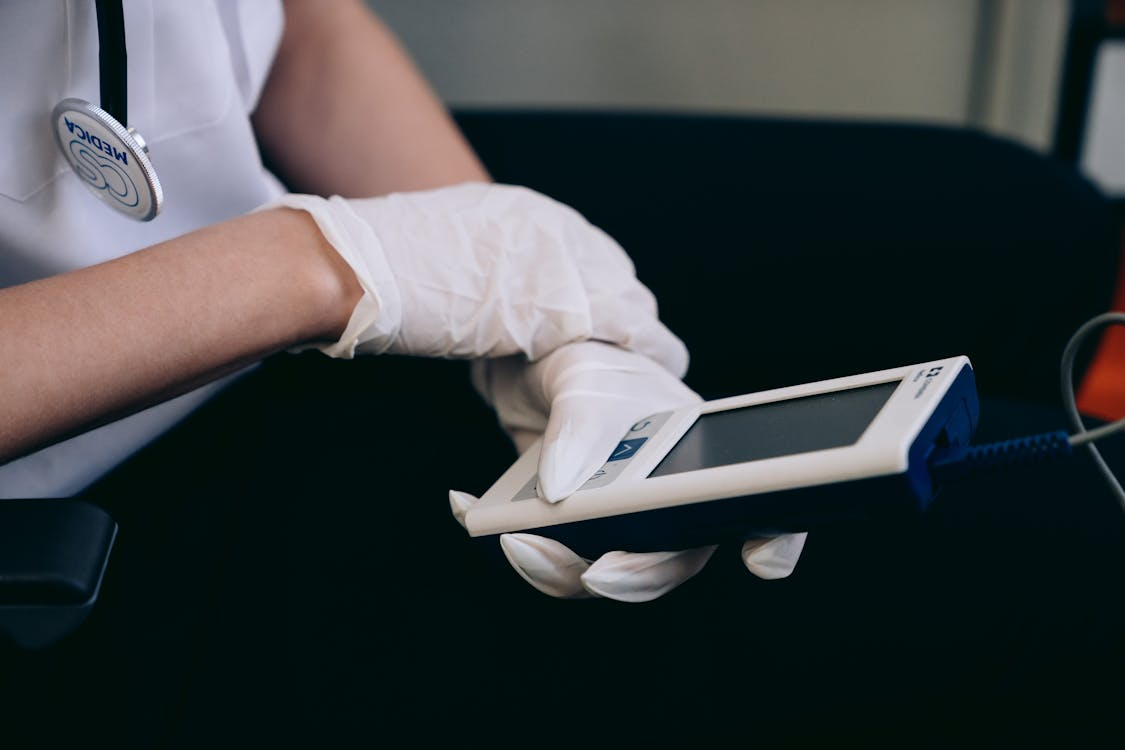
MedTech development stands apart from traditional product development because it requires the seamless integration of multiple components. A single solution may incorporate biological assays, custom hardware, embedded software, cloud infrastructure, cybersecurity safeguards, and robust data pipelines. Each component must not only be functional alone, but should also work together to work safely and reliably in a clinical environment.
Another factor that sets MedTech apart is the demand for interoperability. Often, healthcare products must connect with electronic health record (EHR) systems, communicate wirelessly across clinical environments, and adhere to stringent data standards such as HL7, FHIR, and DICOM. These standards ensure that devices and digital solutions deliver actionable insights within existing healthcare workflows. Meanwhile, these standards also ensure that all technology is complex enough to function across a diverse array of hospitals, networks, and workflows.
In many MedTech innovations today, developers need to also account for transparency, traceability, and regulatory oversight—particularly for Software as a Medical Device (SaMD) and connected systems. They must be able to explain algorithms enough for clinical review and audit. Developers will also need to account for how data flows through the system and how updates will affect the device’s performance. To prove this, developers will need to provide ample documentation that outlines their risk management of the device for regulatory bodies, like the FDA and the International Medical Device Regulators Forum (IMDRF).
All of these demands can accumulate, making MedTech development uniquely demanding and requiring unique methodologies.
Core Stages of MedTech Product Development
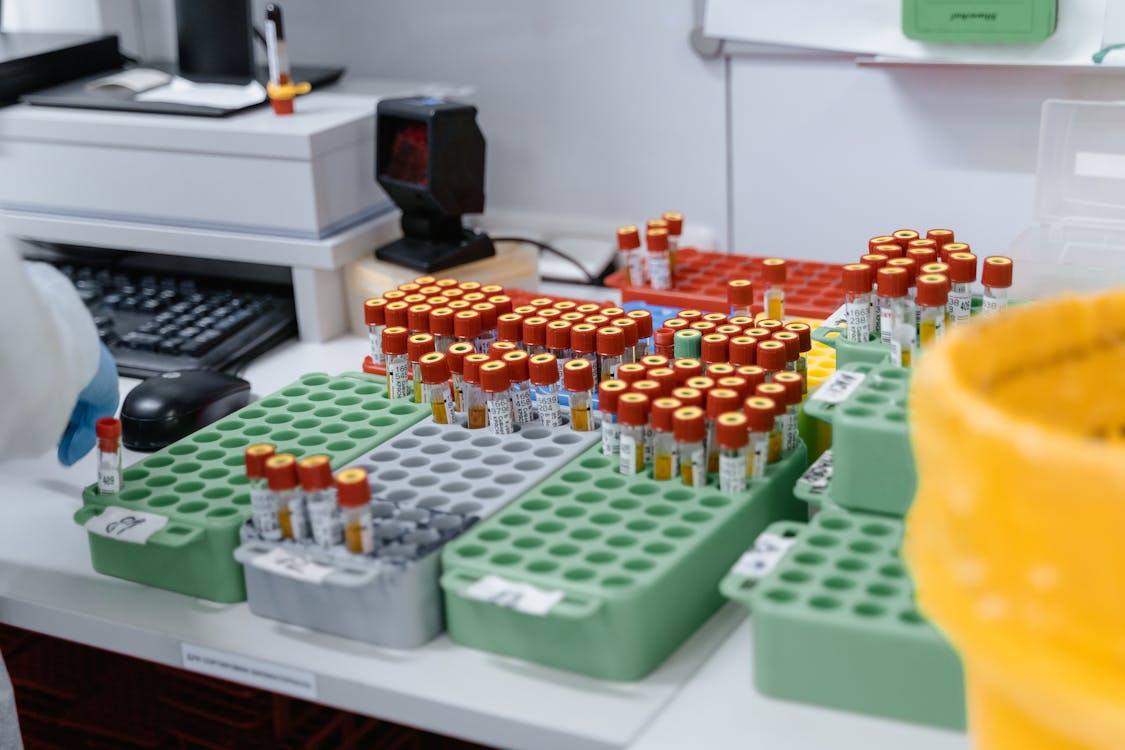
At a bare minimum, your team should follow the following five stages when developing a MedTech product.
Stage 1 — Problem Framing, Clinical Insight & Systems Planning
Successful MedTech development starts with a clear understanding of the clinical problem. Teams gather insight through stakeholder interviews, workflow shadowing, and user research with clinicians, lab staff, or patients. These perspectives help clarify pain points, unmet needs, and the environment where the solution will operate.
From there, teams define the type of MedTech solution required—whether it is a diagnostic instrument, connected device, software module, data tool, or a hybrid system that blends physical and digital components. The goal is to match the real clinical need with the proper form of technology.
This stage concludes with a systems-level blueprint that outlines how the solution will work. It maps out hardware, reagents, algorithms, user interface flows, and the data needed to support the product. This early planning helps the entire team understand how each part of the system fits together before you build any prototypes.
Stage 2 — Architecture Design & Early Technical Models
Once your team has defined the problem, you can design the technical architecture — whether that includes physical components or digital systems. The hardware, firmware, cloud infrastructure, and software features should work together rather than operating independently.
Early feasibility models then help determine what is technically possible. These models can include assay prototypes, firmware mockups, UI wireframes, sensor evaluations, or simple cloud data flows. They allow your team to experiment quickly and cheaply.
During this stage, it is essential to validate early assumptions—such as how your team handles samples, whether electrical systems behave as expected, how reliably the device connects to networks, or whether algorithms show the accuracy needed for clinical use.
Stage 3 — Integrated Prototyping & Cross-Functional Iteration
After your team has the general design, you can build a prototype — a realistic model that illustrates how the MedTech system or device will work. This prototype can take place in simulated labs, clinical settings, or point-of-care locations. By testing the prototype here, you’ll be able to evaluate any usability issues that may not appear in isolated component testing.
This kind of testing will enable you to refine the model, such as adjusting system interfaces, reagent behavior, data paths, and device-software interactions. Ultimately, this stage is highly collaborative. You’ll need feedback from engineering, clinical, and design teams to improve the system from every angle.
Stage 4 — Verification, Validation & Clinical Reliability
When the prototype is stable, the system enters verification and validation (V&V), where you test each part of the solution against its requirements. This includes bench testing, analytical validation, stress tests, cybersecurity evaluations, and detailed software verification.
Teams also assess real-world reliability by testing how the system performs under different environmental conditions, within varied clinical workflows, and across hospital networks or cloud platforms. Interoperability testing is essential at this stage.
You should record all results. Depending on the product, you’ll need to use this evidence for diagnostics approvals, medical device clearance, or compliance for SaMD.
Stage 5 — Deployment, Real-World Performance & Product Evolution
The final stage focuses on preparing the product for commercial launch. Teams will seek out the right manufacturers, configure cloud environments, implement data privacy and security frameworks, and create training materials for clinicians or lab staff.
Once deployed, the product’s real-world performance becomes a critical source of insight. Teams should track device reliability, software issues, cloud uptime, user feedback, and clinical outcomes. These observations help uncover opportunities to improve, such as firmware updates, algorithm improvements, interface adjustments, and expanded clinical indications. With these adjustments, you can keep the product accurate, helpful, and aligned with patient and provider needs.

Barriers MedTech Teams Commonly Face
Even well-planned MedTech programs encounter obstacles. These barriers can slow progress, increase cost, or introduce risk if not addressed proactively.
Integration Challenges Across Biology, Hardware & Software
One of the most persistent challenges in MedTech development is synchronizing work happening across biology, hardware, and software. Assay performance must align with sensor behavior, connectivity features must support data flow in real time, and the user interface must make the system easy to operate in busy clinical settings. Bringing these pieces together without conflict takes careful planning and constant communication.
This synchronization also extends to data quality and system performance. Teams must ensure that data remains accurate, flows with minimal delay, and meets cybersecurity expectations. Cloud systems need to stay reliable under real-world conditions, which is often harder than expected when multiple subsystems are sending and receiving data at the same time.
Another layer of complexity comes from mismatched development timelines. Biological assays evolve at a different pace than firmware or manufacturing processes, and software teams may iterate faster than hardware teams can respond. Aligning these timelines is essential to avoid repeated redesigns or delays.
Regulatory, Data Privacy & Clinical Workflow Hurdles
Like any kind of medical advancement, MedTech has to pass rigorous standards, depending on whether they are diagnostics, connected devices, SaMD, or hybrid solutions. Some common standardized requirements include those established by:
- FDA: Covers regulatory pathways for medical devices, diagnostics, and Software as a Medical Device (SaMD), including requirements for safety, effectiveness, risk management, quality systems, and clinical or analytical validation.
- IEC 62304: Defines the software development lifecycle for medical devices and SaMD, outlining expectations for risk classification, documentation, testing, maintenance, and ongoing software risk control.
- HIPAA: Sets rules for protecting patient health information in the U.S., including requirements for data encryption, access control, audit logging, breach reporting, and secure handling of identifiable health data.
- GDPR: Governs data privacy for individuals in the EU, requiring strict consent practices, data minimization, secure storage, transparency in data use, and the ability for users to access or request deletion of their personal data.
Beyond these technical requirements, a MedTech solution needs to support the way clinicians, lab staff, and technicians actually work. Ensuring workflow compatibility often requires early user research, hands-on testing, and iterative refinement based on real clinical conditions.
Strategies That Improve Outcomes in MedTech Development
While there are a wide variety of complexities development teams need to handle, there are different strategies that can produce effective and successful MedTech.
Adopt a Systems-First Mindset
A systems-first mindset involves approaching hardware, assays, software, user experience, and cloud architecture as a united front. Using this mindset can make it easier to understand how changes in one area affect the others and help prevent incompatibilities that might surface later. In contrast, a siloed development that involves teams working independently without shared planning can lead to major redesigns, missed deadlines, or unreliable performance.
Build With Users, Not Just For Them
Products perform better when users help shape them from the beginning. By observing users early on and documenting these observations, your team will be able to make your product more intuitive — no matter the setting you’re using it in.
Early feedback should also include all stakeholders, such as clinicians, lab personnel, and patients. Their feedback helps uncover workflow constraints, documentation needs, or usability challenges that would otherwise emerge late in development.
Continuous usability validation—rather than waiting for final-stage testing—creates a steady feedback loop that improves design quality and ensures the product truly supports its users throughout the care process.
How Arete Biosciences Accelerates MedTech Innovation
One of the best ways to streamline MedTech development is to approach it with a coordinated effort. However, coalescing a team together can be highly challenging, especially if you have limited resources or a small development team. That’s when Arete Biosciences steps in. We bring expertise to every aspect of MedTech development — from assay science, engineering, to software development, user experience, and quality and regulatory strategy. Instead of treating these disciplines as isolated tracks, Arete Biosciences treats them as a cohesive system. This unified approach helps teams avoid the common pitfalls of misaligned development timelines or late-stage integration issues that often delay market entry.
We also have extensive experience supporting connected diagnostics, point-of-care instruments, digital clinical workflows, and complex hardware-software ecosystems. No matter how complicated the MedTech innovation, Arete Biosciences can help you bring it to life.
If you are developing a MedTech product and need a partner who can guide you from concept to deployment, contact Arete Biosciences today. Let’s explore how Arete can support your next phase of innovation.
FAQs About MedTech Product Development
How Is MedTech Different From Traditional Medical Devices?
MedTech includes digital tools, connected systems, cloud-based diagnostics, wearable sensors, and hybrid solutions that combine biology, hardware, and software. This broader scope introduces new engineering, data, and regulatory requirements beyond those of standalone devices.
What Skills Does a MedTech Development Team Need?
Teams typically include assay scientists, systems engineers, software developers, UX designers, firmware engineers, cybersecurity specialists, data scientists, and QA/RA experts. MedTech succeeds only when these disciplines work in sync.
How Do Connectivity and Data Impact MedTech Development?
Connectivity adds requirements around interoperability, cybersecurity, cloud reliability, and data privacy. MedTech products must protect sensitive data, integrate with clinical systems, and maintain secure, high-quality data flows.
What Regulatory Pathways Apply to MedTech Solutions?
Regulatory pathways depend on product type — diagnostics, devices, SaMD, or hybrid systems. Teams may navigate FDA 510(k), de novo, LDT oversight, IEC 62304, cybersecurity guidance, or international frameworks.
How Long Does It Take To Develop a MedTech Product?
Simple digital tools may launch within months, while integrated diagnostic or hardware-software systems may require several years. Complex MedTech products must synchronize multiple development tracks, which can extend timelines.
Why Do So Many MedTech Startups Choose Development Partners?
Because MedTech requires diverse expertise — biology, engineering, software, data, UX, and regulatory — few startups have the full mix in-house. Partners like Arete help reduce technical risk, accelerate integration, and prepare teams for regulatory success.
